Fateh Garh facade

Discover Fateh Collection in...

Udaipur Kumbhalgarh Ranthambhore

About Fateh Collection

A lineage of courage, carried into hospitality.

Conceptualised, Owned & Operated by the Kelwa Rathore Family

Rooted and relevant

Fateh Collection is a family-led hospitality endeavour shaped by legacy, landscape, and lived experience. Conceptualised and nurtured by the Kelwa Rathore family, the collection brings together heritage, design, and personal passion—creating spaces that feel both rooted and relevant.

Across its properties, elements of this legacy quietly reveal themselves—through vintage automobiles, equestrian traditions, art, and an enduring sense of Rajput hospitality that is both warm and intuitive.

Where legacy becomes experience.

The Family & Their Passions

Fateh Collection is led by three brothers of the Kelwa Rathore family—each bringing a distinct passion that shapes the guest experience in meaningful ways. Together, their individual pursuits form a collective narrative, where personal passions evolve into shared experiences for those who visit.

I

The Equestrian

Anant Rathore

Deeply invested in the revival of the Marwari horse, his work at the Fateh Stud Farm in Kelwa reflects a commitment to preserving one of Rajasthan's most iconic equestrian lineages—the breed that once carried Rajput cavalry, distinguished by its characteristic inward-curving ears.

Fateh Stud Farm, Kelwa

II

The Marksman

Raghvender Rathore

A national-level trap shooter, he extends the region's martial traditions through a contemporary lens—creating opportunities for guests to engage with the discipline of marksmanship at a modern shooting facility built within the family's grounds.

Trap & target shooting

III

The Collector

Jitendra Singh Rathore

The visionary behind Fateh Collection, his approach to hospitality is shaped by authenticity, detail, and a deep appreciation for vintage automobiles—reflected in the curated drives and the vintage vehicle collection housed across the properties.

Fifty vintage & classic vehicles

Loyalty, sacrifice, and enduring ties.

A History Rooted in Mewar

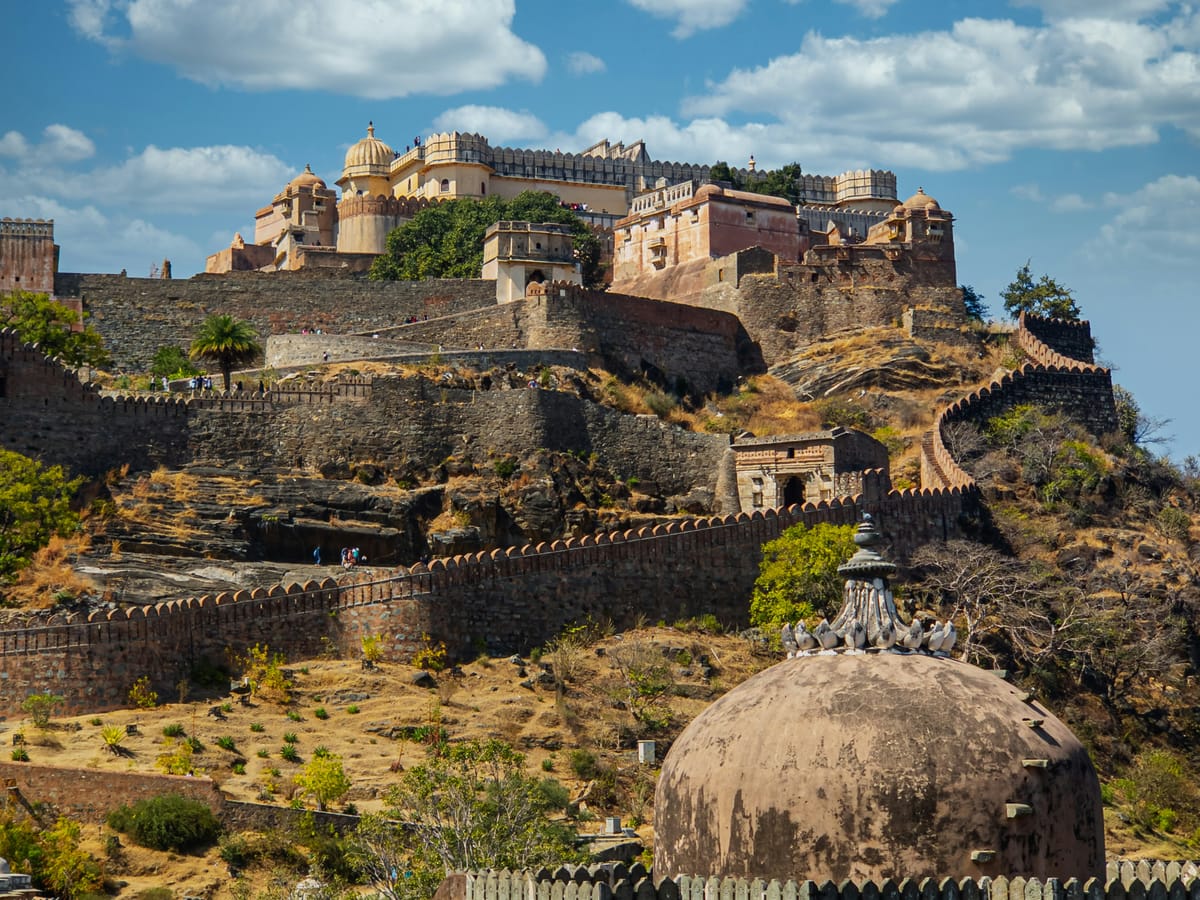
Hilltop fort and the Aravalli mountain passes that sheltered Mewar's rulers

The sacrifice of Thakur Bida

The Kelwa Rathores' deep ties with Mewar trace back to the early 16th century. During the succession struggles following the death of Rana Raimal, young Kunwar Sangram Singh—later Maharana Sanga, who reigned from 1509 to 1528—was attacked by his brothers.

While on pilgrimage, Thakur Bida, a sixth-generation descendant of Rao Jaitmal, was camped with his family at the Roop Narayan temple in Sevantri village, near Rajsamand. Bida encountered the wounded prince, defended him courageously, and sacrificed his life in the clash. This act of supreme loyalty enabled Sanga to survive, consolidate power, and emerge as one of Mewar's greatest rulers—renowned for his resistance against invading Sultanate forces and his leadership at the Battle of Khanwa in 1527.

In gratitude for the family's ongoing service and sacrifices, the Maharanas of Mewar granted the Jagir of Kelwa—including the villages of Banol and Agariya—to Rao Vejal, a descendant of Rao Jaitmal, in the 16th century. Strategically located amid the Aravalli mountain passes, Kelwa served as a vital defensive buffer and safe refuge for Mewar's rulers.

Inscribed on the Kelwa Family Crest

“Sango bhoge chitrakoot sar bida satte”

“Rana Sanga sits on the Chittor throne due to the sacrifice of Bida.”

Preserved in Mewar palace records and local histories

A lineage shaped by resilience.

Rathore Heritage

The Rathore clan, a proud Suryavanshi Rajput lineage, traces its origins to the Gahadavala rulers of Kannauj in present-day Uttar Pradesh. The Jaitmalot branch of Kelwa descends directly from this line.

c. 1226–1273 CE

Rao Siha carries the Rathores west

Rao Siha—also known as Siyaji or Sheoji—migrated westward and established Rathore power in Marwar, conquering areas such as Pali around 1226 CE. He attained martyrdom in battle in 1273 CE, as recorded in the Bithoor inscription near Pali.

Mid-14th Century

The Jaitmalot line begins

Rao Salkha had four sons; his second son, Rao Jaitmal, became the progenitor of the Jaitmalot clan. Rao Jaitmal is associated with strengthening the Rathore presence in the region, including links to the historic Siwana Fort—Garh Siwana—in Barmer district.

1544

Standing with Maharana Udai Singh II

A later Rao Jaitmal of the line sacrificed his life fighting alongside Maharana Udai Singh II against Afghan forces during Sher Shah Suri's campaigns in Rajasthan.

18 June 1576

The Battle of Haldighati

Shankar Das Rathore of Kelwa, along with other family members, laid down their lives in service to Maharana Pratap against Mughal forces. Local traditions recall multiple generations from the family perishing in a single day of fierce combat in the narrow Aravalli pass.

1679–1707

Sanctuary during the Rathore Rebellion

During the Rathore Rebellion against Emperor Aurangzeb, the rugged hills of Kelwa provided a critical mountain sanctuary. Maharana Raj Singh I of Mewar sheltered the infant Ajit Singh, heir of Marwar, here—with support from Durgadas Rathore and local Jaitmalot warriors—protecting him from Mughal capture and reinforcing the bonds between Mewar and Marwar.

Today

From refuge to retreat

These acts embody the Rathore code of sacrifice, martial excellence, and unwavering loyalty that shaped Rajasthan's history—and the same hills that once sheltered warriors and princes now welcome guests.

A symbol of identity and ethos.

The Panchranga Flag

The Panchranga—five-coloured—flag is a powerful emblem of Rajput sovereignty, valour and heritage, particularly revered in the Rathore traditions of Marwar. Each colour carries its own meaning.

Together these colours symbolise the multifaceted ideals of Rajput dharma—courage on the battlefield, protection of righteousness, hospitality, and enduring legacy. For the Rathores of Kelwa and Fateh Collection, the Panchranga flag represents an unbroken thread connecting ancestral battlefield sacrifices to today's values of honour, resilience, and warm Rajput hospitality. It flies as a reminder that the same spirit of protection and excellence that once defended thrones and princes now welcomes guests.

From refuge to retreat.

Heritage, Continued

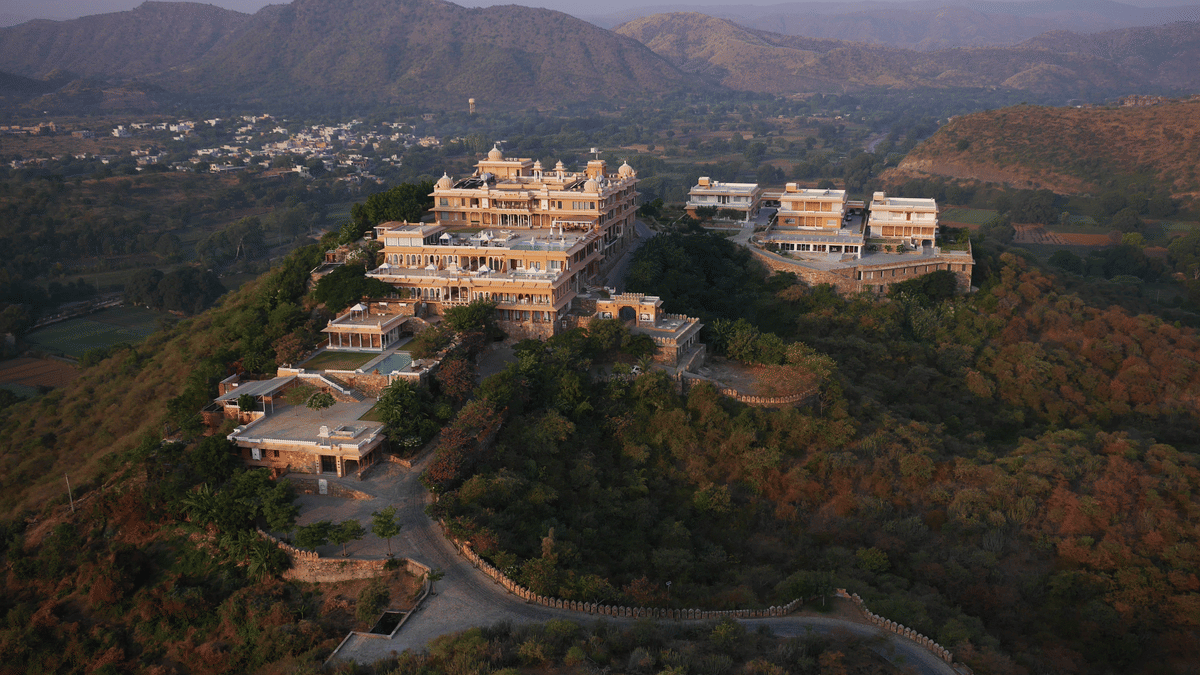
Heritage renaissance architecture at Fateh Garh, Udaipur

History, actively lived

Just as their ancestors provided refuge and defence in the strategic Aravalli hills, the family today offers sanctuary and unforgettable journeys through Fateh Collection. Anant Rathore revives the proud Marwari horse—once the mount of Rajput cavalry—at the Fateh Stud Farm. Raghvender Rathore extends the martial legacy through a modern shooting range. Jitendra Singh Rathore's vision revives the romance of royal processions by vintage car.

These passions have become signature guest attractions, allowing visitors to immerse themselves in living history: riding Marwari horses across historic landscapes, enjoying vintage car excursions, or sharpening their skills at a state-level shooting facility—all within the same hills that once sheltered warriors and princes.

Fateh Collection preserves the Kelwa Rathores' tapestry of courage, loyalty and valour while delivering world-class heritage hospitality. It invites guests to become part of a continuing legacy—where history is not just remembered, but actively lived and celebrated.

Eight properties. Three destinations.

The Collection Today

From the flagship heritage renaissance palace above Udaipur to safari lodges at the Great Wall of India and a retreat at the gateway to tiger country.

8
Boutique heritage
properties
3
Destinations
across Rajasthan
16th
Century ties
to Mewar
50
Vehicles in the family's
vintage collection
Explore Our Properties
Be Part of the Story

Where history is actively lived

Stay with the family whose ancestors held these hills—and whose passions now shape every drive, ride and dinner above the lakes.